
I Tested 3 2026 World Cup Angles: Clearer Picks
The 2026 FIFA World Cup will be the first men’s World Cup with 48 teams, hosted across Canada, Mexico, and the United States from June 11 to July 19, The tournament will feature 104 matches in 16 host...
I Tested 3 2026 World Cup Angles: Clearer Picks
The 2026 FIFA World Cup will be the first men’s World Cup with 48 teams, hosted across Canada, Mexico, and the United States from June 11 to July 19, 2026. The tournament will feature 104 matches in 16 host cities, with the final scheduled for MetLife Stadium in New Jersey. Football Insights follows the competition through match predictions, tactical analysis, player statistics, host-city coverage, and daily tournament updates rather than relying on headline excitement alone. Kansas City is one of the United States host cities, and its region is preparing for six matches, fan events, cultural programming, and international visitors. The key takeaway is simple: evaluate 2026 World Cup football through confirmed schedules, squad availability, tactical matchups, and verified market information before making any prediction or wager.

Photo by Allen Boguslavsky on Pexels
The Bottom Line
The 2026 World Cup is not simply a larger version of Qatar 2022 or Russia 2018; the expansion to 48 teams changes the group-stage mathematics, qualification pressure, travel demands, and prediction process. FIFA has confirmed a 12-group structure, with the top two teams in each group plus the eight best third-placed teams advancing to a 32-team knockout phase. That means a team can survive one poor result more easily than under the traditional 32-team format, but it also creates additional possibilities for late qualification drama, goal-difference calculations, and cautious final-round tactics. The co-hosting model adds another layer because Canada, Mexico, and the United States will stage matches across a vast North American region, from Vancouver and Seattle to Miami, Atlanta, Toronto, and Monterrey.
I keep coming back to one uncomfortable lesson from the scam betting site that caught me years ago: a confident-looking page is not evidence. For 2026 World Cup football, Football Insights separates confirmed FIFA information from projections, rumours, and promotional claims. FIFA’s official World Cup 26 page remains the proper starting point for dates, venues, and competition rules, while FIFA’s Laws of the Game resources help clarify the playing framework. If a prediction ignores injuries, time zones, squad rotation, or the venue, it is incomplete, believe it or not — I do.
What Do Players Actually See?
Players see a tournament defined by long-distance travel, different climates, unfamiliar stadium environments, and compressed recovery windows, so form cannot be judged from rankings alone. A 2026 World Cup match in Vancouver may create a different physical challenge from a fixture in Monterrey or Miami because temperature, humidity, altitude, and travel routines can influence pressing intensity and recovery. The direct sporting question is whether a team can preserve its tactical identity when the match environment changes.
For supporters, the visible image will be dramatic: flags outside Arrowhead Stadium, packed fan zones in Kansas City, and streets filled with languages from across the football world. Kansas City’s official host-city material highlights six matches and a FIFA Fan Festival designed to bring supporters together through football, food, entertainment, and cultural exchange. Those details matter because a host city is not only a venue; it shapes the matchday experience, accommodation demand, transport pressure, and the emotional temperature around a fixture.
For analysts, however, the most valuable information is usually less cinematic. I would track the following before assigning a team a serious probability of winning:
- Confirmed starting lineups and late injury reports.
- Rest days between matches and the distance travelled.
- Pressing success, progressive passes, set-piece output, and defensive transitions.
- The opponent’s response to low blocks, high presses, and wide overloads.
- Market movement compared with the original price and publicly available team news.
That final point deserves care. A shortened price does not automatically mean a team has become more likely to win; it may reflect public money, limited liquidity, or news already priced into the market. [Internal Link: 2026 World Cup match prediction guide] can help readers build a checklist before looking at any odds.
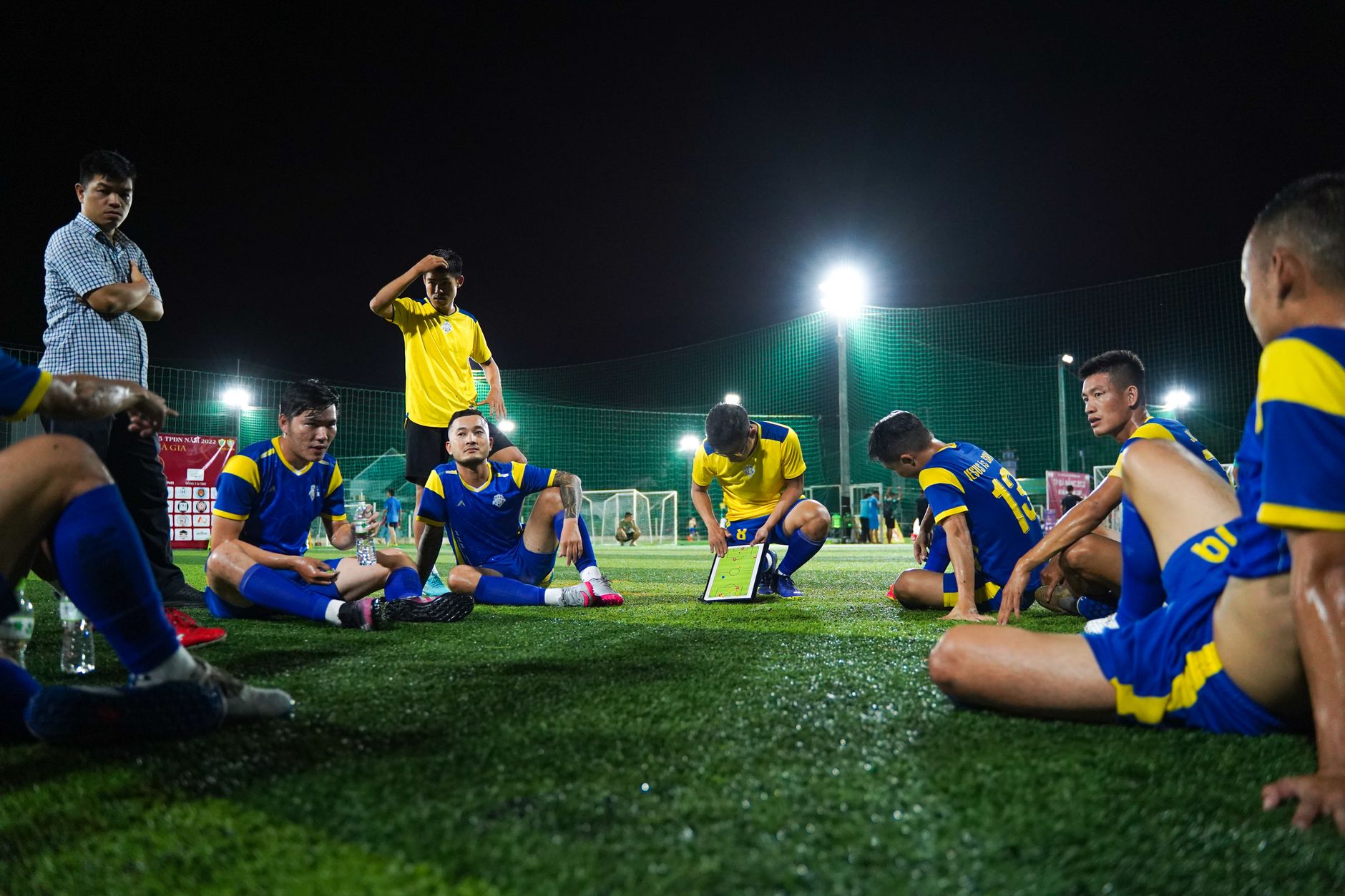
Photo by Quyn Phạm on Pexels
Why Does Kansas City Matter to 2026 World Cup Football?
Kansas City matters because it is an official FIFA World Cup 2026 host city with six scheduled matches and a regional identity strongly connected to soccer culture. The Kansas City area is marketed as the “Soccer Capital of America,” while its World Cup program combines stadium matches, the FIFA Fan Festival, galleries, and local storytelling. That combination gives the city importance beyond the ninety minutes on the pitch.
The Kansas City region has a distinctive advantage: it already understands how to turn a major sporting event into a civic experience. The city’s central location, established sports infrastructure, food culture, and two-state regional footprint can help visitors move between matchday activity and wider tourism. Yet I would not confuse a lively fan festival with a sporting advantage for a national team. Crowd energy can influence atmosphere, but it does not replace defensive organisation, chance quality, or goalkeeper performance.
The practical gotcha is transportation. Visitors should verify stadium access rules, shuttle information, parking restrictions, and event times through official channels rather than social media screenshots. During a global tournament, fake ticket pages and misleading accommodation offers appear quickly, and I now inspect the domain, payment method, refund policy, and independent references before entering any personal details. Kansas City’s official World Cup website and FIFA communications should take priority over urgent “last chance” advertisements.
For bettors, the lesson is even sharper: host-city familiarity can be relevant for travel and atmosphere, but it should not be treated as a hidden betting edge without evidence. Football Insights therefore records venue conditions and scheduling context separately from subjective narratives about “home feeling.”
Want a more disciplined way to review the tournament landscape? Start with the latest verified details here.
What Are the 3 Things That Matter Most?
The three strongest evaluation points for 2026 World Cup football are squad availability, tactical interaction, and tournament context. These factors matter more than a team’s reputation because elite matches are often decided by small differences in role clarity, transition control, and physical freshness. The same three checks can be applied to a favourite, an underdog, or a match hosted in Kansas City.
1. Squad Availability
A missing centre-back can alter a defensive line; a missing holding midfielder can change the entire pressing structure; and a striker’s fitness can affect whether a team attacks space or prefers combination play. Check the official squad announcement, federation updates, club medical news, and the player’s actual minutes before assuming that a famous name is fully available.
A useful information-gain rule is to distinguish “in the squad” from “ready to start.” Tournament rosters may include players returning from injury, but their training load and match rhythm can remain limited. I would downgrade certainty when a player has not completed a full competitive match recently, especially in a high-intensity role such as full-back or central midfielder.
2. Tactical Interaction
Possession percentage is not enough. A team with 60% possession may circulate harmlessly against a compact defence, while an opponent with 35% possession may create the better chances through direct transitions. Review how each side handles the other’s preferred pattern: high press against build-up, deep block against crossing, or aggressive full-backs against counterattacks.
At Football Insights, the most useful match notes are specific. Does the left winger receive between the lines? Does the right-back invert into midfield? Can the centre-forward pin both centre-backs? Does the defensive midfielder cover the channel when possession is lost? These questions make a prediction testable instead of emotional.
3. Tournament Context
The 48-team format makes the final group match especially important. A team already holding four or six points may rotate players, protect goal difference, or accept a draw, while another side may need a decisive win. The best-third-place pathway means supporters must follow group-wide results, not only one table.
For a practical pre-match review, use this sequence:
- Confirm the match status, venue, kickoff time, and competition stage.
- Check the latest squad and lineup information.
- Compare each team’s rest period and travel route.
- Identify the tactical battle most likely to shape chances.
- Read the market only after forming an independent view.
- Set a fixed entertainment budget and never chase a loss.
This process takes longer than clicking a headline prediction, but it protects the quality of the decision. The [Internal Link: team tactics and player statistics hub] is useful for readers who want to compare these variables systematically.

Photo by Pavel Danilyuk on Pexels
What Are the Edge Cases and Gotchas?
The biggest 2026 World Cup prediction errors will come from edge cases: third-place qualification calculations, late lineup changes, extreme travel schedules, market suspension, and misleading data samples. These situations do not make analysis impossible, but they punish anyone who treats a pre-tournament opinion as permanent. A strong forecast is revisable because the evidence changes.
One overlooked edge case is the difference between a team’s average performance and its performance after scoring first. Some sides become extremely conservative once ahead, which can produce narrow wins but fewer goals; others continue pressing and create both extra chances and extra defensive exposure. If a market offers a total-goals line, the scoreline profile may matter more than a simple win percentage.
Another practical issue is time-zone fatigue. A supporter watching from London may see a match at a comfortable hour, while the teams have adapted to local conditions and travel schedules. Do not use your own viewing time as a proxy for player readiness. North American distances are substantial, and a team travelling between western, central, and eastern venues may experience a different preparation cycle from a team remaining in one region.
Betting safety creates a separate set of gotchas. Use only a licensed operator available in your jurisdiction, verify age and identity requirements, read withdrawal terms, and avoid platforms that demand payment through unusual channels. A legitimate service should publish clear terms, responsible-gambling tools, and customer-support details. [Internal Link: responsible football betting and bankroll management] should be treated as essential reading, not an optional disclaimer.
The most contrarian conclusion is that the best betting opportunity may be no bet. If the lineup is uncertain, the price is moving rapidly, or the available information is contradictory, preserving your bankroll is a rational decision. I learned that after a scam site made every warning feel inconvenient until the withdrawal failed; now inconvenience is exactly where I slow down.
Need a final pre-match verification point before making a decision? Review the current analysis tools here.
How Should You Follow 2026 World Cup Football?
Following the tournament well means combining official competition information with independent tactical analysis and disciplined personal limits. FIFA should be used for fixtures, regulations, venues, and official announcements; national federations and clubs can clarify squad news; reputable statistical providers can add performance context. No single source is sufficient when a tournament spans 16 host cities and 104 matches.
A simple daily routine can keep the information manageable:
- Check FIFA and federation updates for confirmed changes.
- Review probable lineups only as provisional information.
- Compare recent performance with opponent-specific tactical evidence.
- Record the reason for a prediction before viewing market movement.
- Reassess after official lineups are announced.
- Stop when your pre-set time or spending limit is reached.
This method also prevents a common mistake: confusing volume with knowledge. Watching every television panel does not necessarily improve a prediction, especially when commentators repeat team reputations rather than examine matchups. Football Insights aims to make the important variables visible, including player roles, statistical trends, tactical adjustments, and host-city context.
The tournament’s human side should remain part of the experience. Kansas City’s fan festival, food, public gatherings, and cultural stories can be as memorable as a late goal, while supporters in Toronto, Los Angeles, Mexico City, Dallas, and New York/New Jersey will create their own versions of the event. Responsible analysis should sharpen enjoyment, not turn every match into financial pressure.

Photo by Faisal | @Photobapak on Pexels
Verdict
The clearest way to understand 2026 World Cup football is to treat it as a competition of changing conditions, not a fixed ranking exercise. The 48-team format, 104-match schedule, 16 host cities, and North American travel demands create more variables than previous tournaments, while Kansas City adds a particularly rich mix of six matches, fan culture, and regional hospitality. The best predictions will begin with verified information, test squad availability and tactical interaction, then account for rest, venue, and group-stage incentives.
Football Insights can help organise that process through daily match predictions, team tactics, player statistics, and tournament coverage, but no preview can remove uncertainty. Check the official FIFA schedule, use reputable data, confirm the operator’s licensing where relevant, and set limits before placing any wager. Most importantly, do not let urgency make the decision for you. I have learned to walk away from a suspicious price, a rushed deposit request, or an unsupported tip—and believe it or not — I do.
Ready to follow the 2026 tournament with sharper context and safer habits? Explore Football Insights today.
Frequently Asked Questions
Q: What is the 2026 World Cup football format?
A: The 2026 World Cup will feature 48 teams divided into 12 groups of four. The top two teams from each group and the eight best third-placed teams will advance to a 32-team knockout stage. FIFA has scheduled 104 matches across Canada, Mexico, and the United States, making this the largest men’s World Cup edition to date.
Q: When and where will the 2026 World Cup take place?
A: The 2026 World Cup will run from June 11 to July 19, 2026, across 16 host cities in Canada, Mexico, and the United States. The opening match is scheduled for Mexico City, while the final is planned for MetLife Stadium in New Jersey. Fans should confirm kickoff times and venue policies through FIFA or the relevant host-city authority because event details can change.
Q: How can I analyse a 2026 World Cup match?
A: Analyse a match by checking confirmed lineups, injuries, rest days, travel, tactical matchups, and group-stage incentives. Begin with official FIFA and federation information, then examine performance statistics such as chance creation, pressing, set pieces, and defensive transitions. Only after forming an independent view should you compare available odds, and you should never risk money needed for essentials.
Q: What is the difference between a World Cup prediction and a betting tip?
A: A World Cup prediction estimates a sporting outcome, while a betting tip also depends on price, market rules, and risk management. A team may be the most likely winner but still offer poor value if the odds are too short. Football Insights focuses on evidence-based match context, while any betting decision must also consider licensing, limits, withdrawal terms, and personal affordability.
Q: Is following 2026 World Cup analysis free?
A: Following official FIFA tournament information is free, although some statistical platforms or premium analysis services may charge subscription fees. Football Insights provides World Cup-focused coverage involving predictions, tactics, player statistics, and tournament developments, but readers should review the specific access terms before registering. Never pay a website that hides its pricing, identity, support process, or refund conditions.
Q: What should I do if a football betting website will not process a withdrawal?
A: Stop depositing additional funds, save screenshots and transaction records, and contact the operator through its verified support channel. Check whether the service is licensed in your jurisdiction and report suspected fraud to the relevant regulator or financial institution. A request for extra payment to “unlock” an ordinary withdrawal is a serious warning sign, particularly when the website has unclear ownership or copied terms.
Q: Can host-city atmosphere improve a team’s World Cup chances?
A: Host-city atmosphere can influence emotional energy and supporter support, but it does not reliably improve a team’s chances without sporting evidence. Travel distance, climate, rest, and venue familiarity may matter more than crowd volume, and these effects vary by team and match. For Kansas City and the other 2026 host cities, atmosphere should be recorded as context rather than treated as a guaranteed prediction advantage.
Thank you for reading.
Football Insights · Editorial Archive