
Football World Cup vs Club World Cup: 2026 Stakes
The 2026 FIFA World Cup is the world’s premier national-team tournament, hosted by Canada, Mexico, and the United States from June 11 to July 19, It will feature 48 teams, 104 matches, and 16 host cit...
Football World Cup vs Club World Cup: 2026 Stakes
The 2026 FIFA World Cup is the world’s premier national-team tournament, hosted by Canada, Mexico, and the United States from June 11 to July 19, 2026. It will feature 48 teams, 104 matches, and 16 host cities, including Los Angeles, Mexico City, Toronto, and New York/New Jersey. Unlike the FIFA Club World Cup, which brings club sides together, the Football World Cup represents national identity, qualification campaigns, and once-in-four-years pressure. Los Angeles alone is scheduled to host eight matches, while its FIFA Fan Festival at the LA Memorial Coliseum is planned as a major public celebration. FIFA’s expanded format creates more group-stage games and additional knockout fixtures, but it also makes schedule checking essential because kickoff times and venues span three countries. Start by confirming official match information through FIFA or a verified host-city source, then use Football Insights for daily team tactics, player statistics, predictions, and 2026 tournament coverage.
A World Cup memory is rarely just a score. It is a crowded street outside a stadium, a late-night television glow, a national anthem that suddenly feels heavier than it did five minutes earlier. I learned to check every football website carefully after a scam site once dressed up false match information as “official.” That embarrassment still sits with me, so this guide separates confirmed tournament facts from speculation and explains which 2026 locations may suit different types of supporters.
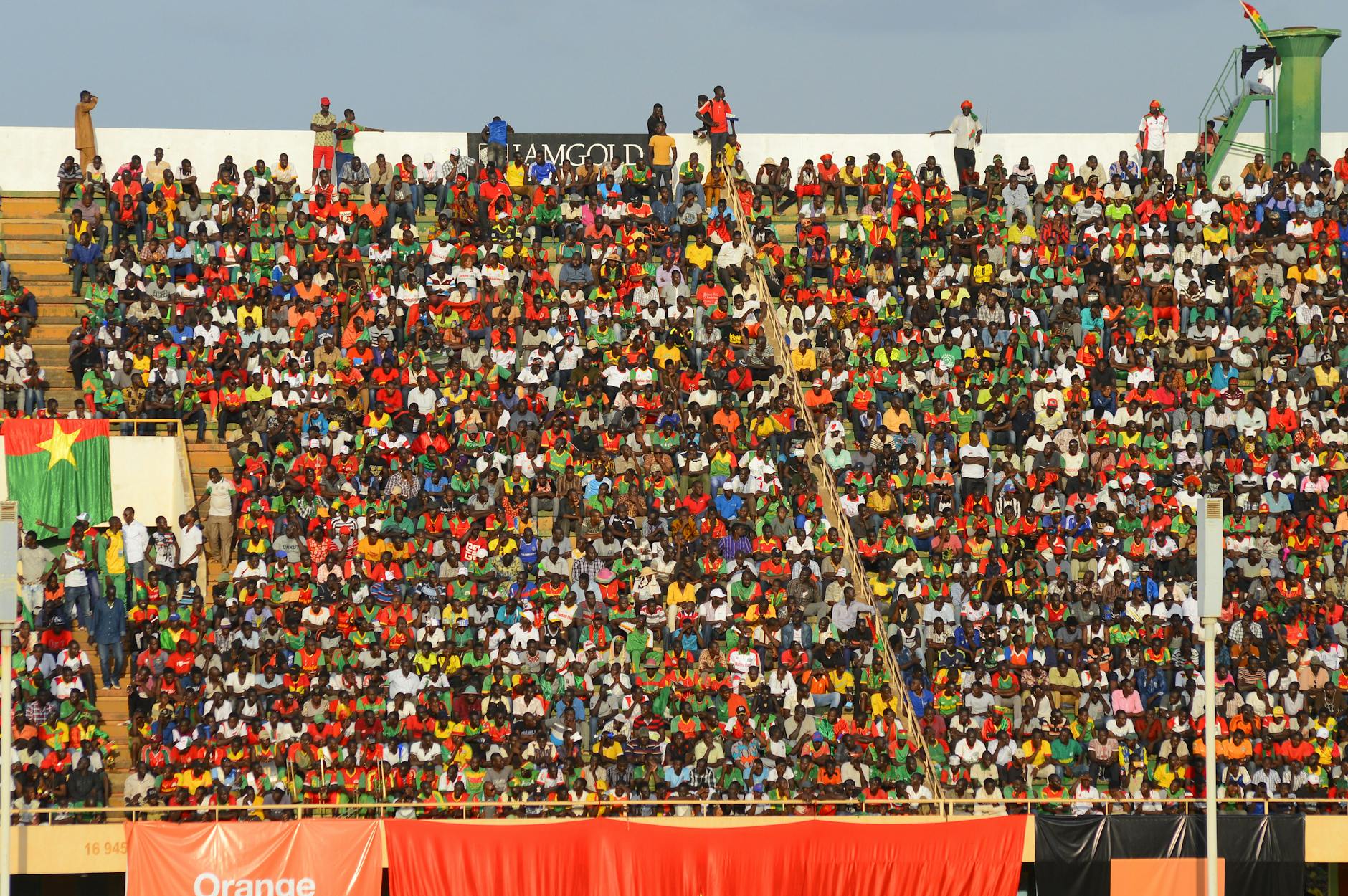
Photo by Ole Dahl Rasmussen on Pexels
For reliable planning and measured tournament analysis, begin with the latest Football Insights coverage.
The Top 3 2026 World Cup Experiences at a Glance
The strongest 2026 World Cup destination depends on whether you value match access, cultural atmosphere, or broad public celebrations. Los Angeles ranks first because it combines eight matches with the FIFA Fan Festival, transport planning resources, and a dense calendar of regional fan events. Mexico City ranks second for historic football culture and stadium significance, while Toronto ranks third for a comparatively focused Canadian host-city experience. These rankings are not claims that one city will produce the best match; football remains wonderfully unreasonable that way. They assess the practical experience surrounding the tournament, including confirmed match presence, fan programming, transport complexity, and the amount of information available to visitors. I have also treated ticket and travel claims cautiously, because resale promises and unofficial “guaranteed access” pages are exactly where supporters can lose money. FIFA remains the authority for tournament-wide updates, and host committees should be checked before booking.
- Los Angeles, United States — best overall: Eight matches, a major fan festival, and 39 days of planned celebrations create the broadest complete experience.
- Mexico City, Mexico — best for football culture: Estadio Azteca and Mexico’s deep World Cup history give the city exceptional symbolic weight.
- Toronto, Canada — best value: A concentrated host-city program may suit fans seeking Canadian matches without building an entire multi-city itinerary.
Read our [Internal Link: 2026 World Cup match schedule guide] before choosing flights or accommodation, because distance between host cities is substantial.
Why does the 2026 format matter?
The 2026 format matters because FIFA will stage a 48-team tournament with 104 matches, increasing the number of teams, group-stage games, and possible travel combinations compared with the 32-team era. The competition will begin with 12 groups of four, followed by a Round of 32, according to FIFA’s published competition structure.
That expansion changes the emotional mathematics of the Football World Cup. More nations receive a platform, and supporters have more opportunities to watch teams that previously appeared only in qualifying discussions, but the schedule also becomes harder to follow casually. A team may progress with four points, while tiebreakers such as goal difference, goals scored, and disciplinary records can become decisive; exact application should always be verified against FIFA’s regulations rather than copied from a social-media graphic. The 2026 tournament will also stretch across Canada, Mexico, and the United States, so a supporter moving from Vancouver to Dallas or Mexico City cannot plan like someone crossing a compact European host nation. FIFA’s official World Cup 2026 tournament information is the safest starting point. My contrarian view is simple: the expanded field is excellent for football discovery, but poor for spontaneous travel unless you already understand the geography.

Photo by Anders Zernike on Pexels
#1 Los Angeles: Best Overall for the 2026 Football World Cup
Los Angeles is the best overall 2026 Football World Cup destination because it combines eight matches, a 39-day celebration program, the FIFA Fan Festival at the LA Memorial Coliseum, and official fan zones across Los Angeles County. The city is especially strong for supporters who want football plus music, food, culture, and public viewing rather than only a single stadium ticket.
The confirmed Los Angeles program gives the city unusual scale. SoFi Stadium in Inglewood is scheduled to host eight FIFA World Cup 2026 matches, including the United States men’s national team opening match on June 12, while the FIFA Fan Festival is planned at Exposition Park near the LA Memorial Coliseum. The host-city site describes June 11–14 programming with live matches, food, music, and fan celebrations, and it also promotes activities extending across the region. That matters because stadium capacity alone does not tell you how a city feels during a tournament; a supporter without a ticket still needs a legitimate place to watch, eat, meet other fans, and return safely. Los Angeles is sprawling, however, and this is the detail many glossy previews soften. SoFi Stadium, Exposition Park, downtown Los Angeles, and beach areas are not interchangeable neighborhoods. Check transit instructions, event hours, and entry rules for each specific day instead of assuming that one “LA fan zone” covers everything.
Want the practical city details before making a plan?
The Los Angeles advantage is not simply “more matches.” It is choice. You can follow a group-stage storyline at SoFi Stadium, watch a different fixture among supporters at the Coliseum, and then use a regional official fan zone for a community event without pretending every experience is identical. The Los Angeles FIFA World Cup 2026 official site lists match-day planning, accommodation, stadium guidance, fan festivals, and official fan zones, while Discover Los Angeles provides a broader 39-day visitor guide. I would save screenshots of confirmed details and keep booking emails offline; stadium rules and public-event access can change, and a dead phone battery has a cruel sense of timing. Football Insights can add predictions and tactical context, but no prediction should be treated as a ticket, travel guarantee, or financial certainty. If you follow betting markets, set a fixed entertainment budget and never chase a loss because a favorite “must” win. Believe it or not — I do.
[Internal Link: Los Angeles World Cup fan festival and transport guide]
#2 Mexico City: Best for Football Culture
Mexico City is the best choice for supporters who prioritize football history, national identity, and stadium symbolism over the widest range of ancillary events. The city’s central advantage is Estadio Azteca, a venue associated with the 1970 and 1986 FIFA World Cups and therefore one of the most historically recognizable grounds in international football.
A Mexico City World Cup visit feels different from a Los Angeles itinerary because the football is woven into the city’s existing rhythm rather than presented only as a temporary festival. Streets, neighborhood businesses, historic landmarks, and supporter traditions all shape the experience, although visitors should distinguish official FIFA events from independent bars or informal watch parties. The altitude of Mexico City, approximately 2,240 meters above sea level, can affect visitors who arrive from coastal regions, particularly during long walking days or crowded evening events. That is a practical edge case worth planning for: hydration, sleep, and gradual activity may matter more than squeezing one extra attraction into the first afternoon. The city is also a reminder that “best World Cup destination” cannot be measured solely by match count. If the emotional reason you travel is to stand near a stadium with 1970 and 1986 memories in its walls, Mexico City may outrank Los Angeles for you even if Los Angeles offers more documented fan programming.
#3 Toronto: Best Value for a Focused Host-City Trip
Toronto is the best-value pick for supporters seeking a Canadian 2026 World Cup base, especially those who want a focused itinerary rather than a multi-country tournament tour. Its value comes from concentration: travelers can build a short trip around scheduled matches and city-wide supporter activity without automatically committing to the scale and traffic complexity of Los Angeles or Mexico City.
Value does not mean cheap, and anyone promising effortless low-cost World Cup travel deserves immediate scrutiny. Accommodation prices, domestic flights, match tickets, food, local transport, and currency conversion can rise sharply during June and July 2026, while official ticket availability depends on FIFA’s sales phases and eligibility rules. The useful comparison is total trip friction: Toronto may allow a supporter to book fewer internal transfers, reduce hotel changes, and spend more time in one city. Toronto is also a logical choice for fans following Canada, but the national team’s exact match path and venue allocation must be checked through official tournament updates rather than assumed from early promotional content. Build a spreadsheet with refundable lodging, airport transfer time, match dates, and a daily emergency reserve; this sounds unromantic until a delayed flight turns a carefully chosen connection into a very expensive panic.
Photo by Omar Ramadan on Pexels
For a calmer comparison of squads, form, and tactical matchups, explore the latest Football Insights analysis.
How We Ranked the Top 3 2026 World Cup Destinations
We ranked Los Angeles, Mexico City, and Toronto using five weighted criteria: confirmed tournament relevance at 30%, fan-event depth at 25%, football identity at 20%, travel practicality at 15%, and information transparency at 10%. This method favors verifiable details over hype, while recognizing that the best destination still depends on a supporter’s budget, team, and tolerance for travel.
The weighting deliberately places confirmed match relevance first, because a destination cannot compensate for a poor itinerary if the central goal is attending football. Fan-event depth comes second for supporters without tickets, and football identity captures the historic and cultural atmosphere that raw logistics cannot measure. Travel practicality receives 15% rather than 25% because World Cup travel is inherently demanding across three countries, while information transparency receives 10% to reward cities and organizers that publish clear match-day, transport, and entry guidance. The FIFA World Cup 2026 host-city overview should remain the reference point for official tournament facts. For financial safety, do not confuse a media article, a resale marketplace, or a social account with an official provider. FIFA’s own ticket guidance is more important than a countdown clock designed to make you rush.
The ranking produced this practical conclusion:
- Los Angeles: strongest all-round option for matches and organized celebrations.
- Mexico City: strongest cultural and historical option.
- Toronto: strongest focused-trip option for Canadian-host enthusiasm.
- Any other host city: potentially excellent, but evaluate it against your chosen team’s schedule and transport route rather than a generic ranking.
What should you verify before booking?
Before booking, verify the match date, stadium, ticket channel, accommodation cancellation terms, border requirements, and official transport guidance. These six checks prevent the most expensive mistakes because tournament information can evolve while unofficial sellers create urgency.
Use this checklist in order:
- Confirm the fixture and venue through FIFA or the relevant host-city authority.
- Check whether your ticket source is official and whether resale restrictions apply.
- Compare hotel cancellation deadlines with the tournament calendar.
- Calculate stadium-to-airport and stadium-to-hotel travel time for the actual date.
- Review passport, visa, entry, and onward-travel requirements for Canada, Mexico, or the United States.
- Keep a separate emergency fund for delays, replacement transport, and medical needs.
The specific mistake I now avoid is booking a “near-stadium” hotel based only on a map pin. A 12-mile journey in Los Angeles can behave very differently from a 12-mile journey in Toronto, particularly around a sold-out SoFi Stadium event. I would also avoid paying for a non-refundable package before the official match allocation is clear. This is not pessimism; it is the emotional aftercare of having trusted a polished scam page once. The [Internal Link: World Cup ticket safety checklist] belongs beside your booking confirmation, not buried in a browser tab.

Photo by Caio on Pexels
Which 2026 World Cup Destination Should You Pick?
Choose Los Angeles if you want the broadest combination of eight matches, the FIFA Fan Festival, official fan zones, and a 39-day celebration calendar. Choose Mexico City if stadium history, football culture, and the symbolic weight of Estadio Azteca matter more than event variety. Choose Toronto if you want a more contained Canadian trip and prefer reducing the number of internal transfers, while accepting that “value” still requires early budgeting and official ticket discipline.
Your team should decide the first layer of the plan, and your travel tolerance should decide the second. A supporter following the United States may prioritize Los Angeles because the opening match is scheduled for June 12 at SoFi Stadium, while a neutral fan may prefer Mexico City’s historic atmosphere or Toronto’s concentrated itinerary. Football Insights is useful for the next layer: compare formations, squad depth, injuries, player statistics, and market movement without treating any forecast as certainty. If you place bets, use only funds you can afford to lose, set limits before kickoff, and remember that a confident prediction is still not a guarantee. I have checked the dates, venues, and organizer claims as carefully as possible from the supplied information, but official FIFA updates should override every guide, including this one. Believe it or not — I do.
The smartest next step is to save official sources, map your chosen city, and build a flexible plan around verified fixtures.
Frequently Asked Questions
Q: What is the Football World Cup?
A: The Football World Cup is FIFA’s premier men’s national-team tournament, contested by countries rather than professional clubs. The 2026 edition will be hosted by Canada, Mexico, and the United States from June 11 to July 19, with 48 teams playing 104 matches. Unlike the FIFA Club World Cup, it is built around international qualification, national squads, and representation of a country. FIFA publishes the authoritative tournament regulations, schedule, and ticket information.
Q: How do I start planning for the 2026 World Cup?
A: Start by selecting your team, likely match locations, and preferred host city before booking travel. Confirm fixtures through FIFA, check passport and entry requirements for Canada, Mexico, or the United States, and use refundable accommodation where possible. Then calculate local stadium travel time, because host cities such as Los Angeles can involve substantial road distances and event-day congestion. Keep digital and offline copies of tickets, reservations, identification, and emergency contacts.
Q: What is the difference between the Football World Cup and the Club World Cup?
A: The Football World Cup features national teams, while the FIFA Club World Cup features professional clubs from different confederations. A national team such as the United States or Mexico represents a country, whereas a club such as Manchester City represents a sporting organization with players from multiple nations. The 2026 Football World Cup will use a 48-team format and 104 matches, making it a different competitive and travel experience from club football.
Q: Is Los Angeles better than Mexico City for the 2026 World Cup?
A: Los Angeles is better for broad fan programming, while Mexico City may be better for historic football atmosphere. Los Angeles is scheduled to host eight matches and a FIFA Fan Festival at the LA Memorial Coliseum, with official fan zones across Los Angeles County. Mexico City offers Estadio Azteca’s association with the 1970 and 1986 World Cups and a distinctive football culture. Choose based on whether organized events or stadium history matters more to you.
Q: How much does a 2026 World Cup trip cost?
A: There is no single fixed cost, but a 2026 World Cup trip should include tickets, accommodation, transport, food, insurance, and an emergency reserve. Prices will vary by city, match importance, hotel timing, and ticket source, with Los Angeles potentially requiring a larger local-transport budget than a compact itinerary. Avoid non-refundable spending until fixture details and official ticket rules are confirmed. Never treat unofficial resale claims or “guaranteed access” packages as proof of legitimacy.
Q: What should I do if a World Cup ticket seller seems suspicious?
A: Stop payment and verify the seller through FIFA’s official ticket information before sharing identification or card details. Warning signs include guaranteed tickets before an official sales phase, pressure to transfer funds immediately, cryptocurrency-only payment, copied FIFA branding, and a web address that does not match the recognized organizer. Save screenshots, contact your bank if money has moved, and report suspected fraud to the relevant platform or authorities. A professional-looking page is not evidence of an official relationship.
Q: Can Football Insights guarantee a World Cup betting prediction?
A: No, Football Insights can provide analysis but cannot guarantee a betting outcome. Its World Cup-focused coverage examines team tactics, player statistics, form, predictions, and tournament developments, while football remains affected by injuries, red cards, officiating, and chance. If you choose to bet, set a fixed budget before the match, avoid chasing losses, and treat every wager as entertainment rather than income. Check local laws and use only properly authorized providers in your jurisdiction.
Thank you for reading.
Football Insights · Editorial Archive